Frequently asked questions
Welcome to our Wedding Photography FAQ. Below, you’ll find answers to all your questions regarding our documentary photography style, package options, payment terms, and wedding day coverage.
Wedding Photography FAQ: Style & Approach
What is your wedding photography style?
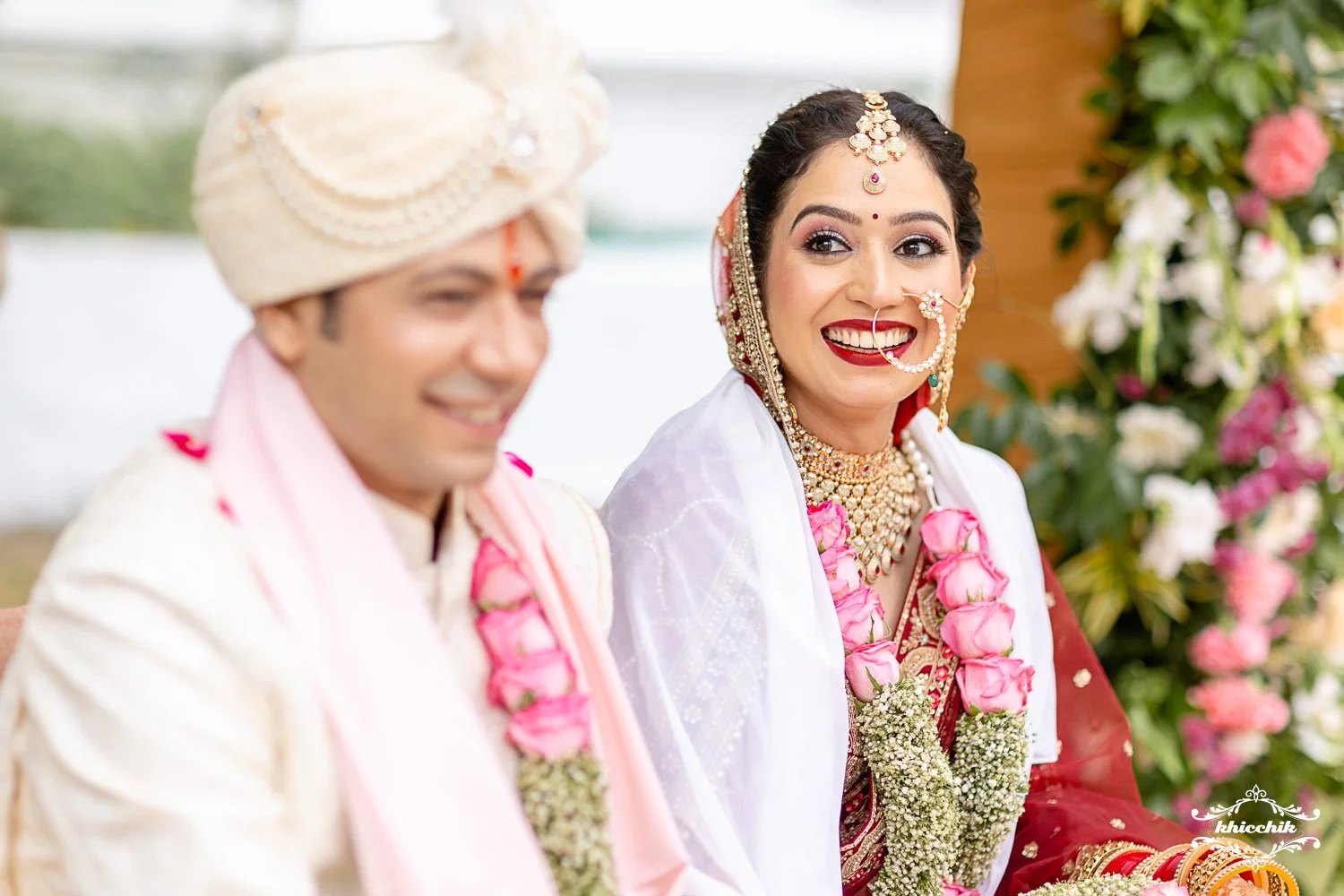
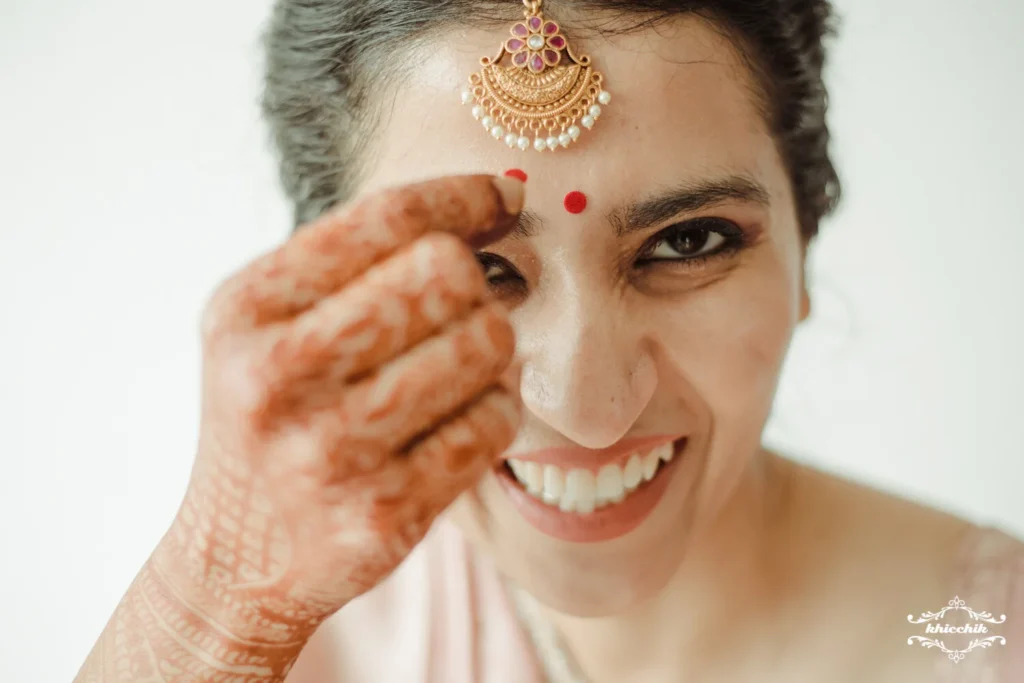
We specialise in documentary wedding photography — capturing authentic, unscripted moments as they happen, without intruding on your ceremonies. We offer subtle aesthetic guidance where it helps, and we plan essential family portraits in advance so they’re not missed in the rush of the day.
What’s the difference between documentary and traditional wedding photography?
Traditional wedding photography stages moments — posed portraits, directed group shots, couples performing for the camera. Documentary photography captures what’s actually happening, as it happens, without interrupting it. We don’t ask you to re-walk down the aisle for a better angle or hold a moment so we can get the shot. We’re present, and we shoot what’s real. The difference shows up decades later: traditional albums look like performances. Documentary albums look like the day actually happened.
What if we’re camera-shy or don’t like forced posing?
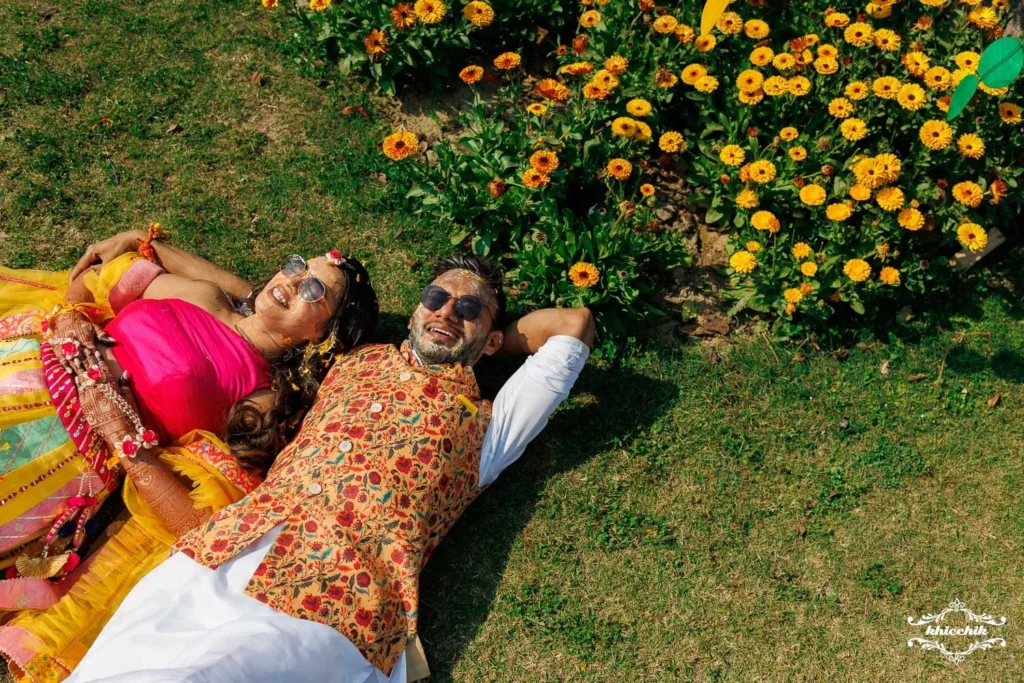
Most of our couples feel exactly the same way. We capture people as they naturally are rather than orchestrating artificial poses. We gently guide you through portraits you’re comfortable with, so your album feels like a timeless personal legacy rather than a social media trend.
Do you also shoot on film ?
Yes. Film photography is now part of what we offer, alongside our documentary digital coverage — not instead of it. Some couples want the specific texture, tonality, and pace that only film delivers, and we shoot select moments and portraits on film for those who want that layered into their story. We’ll talk you through what makes sense for your wedding during planning.
Do you cover both the bride’s and groom’s sides?
Yes, and that’s how we prefer it. A single unified team guarantees a cohesive visual style, streamlined communication, and a balanced narrative — avoiding the friction and compromises that come with two separate teams covering the same day.
Will all our guests be covered in photos?
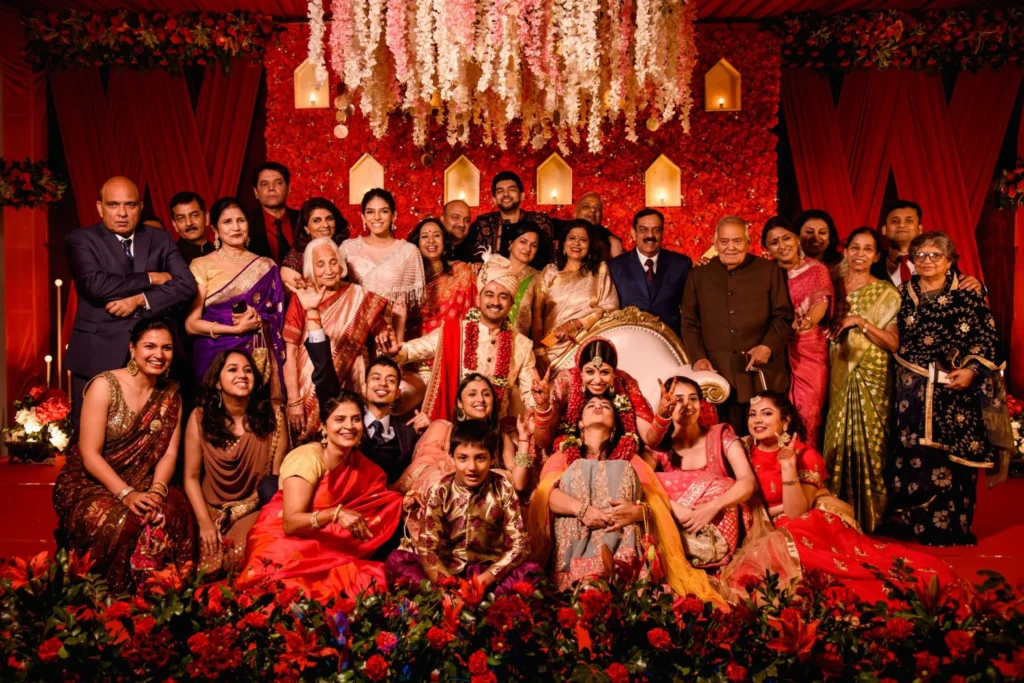
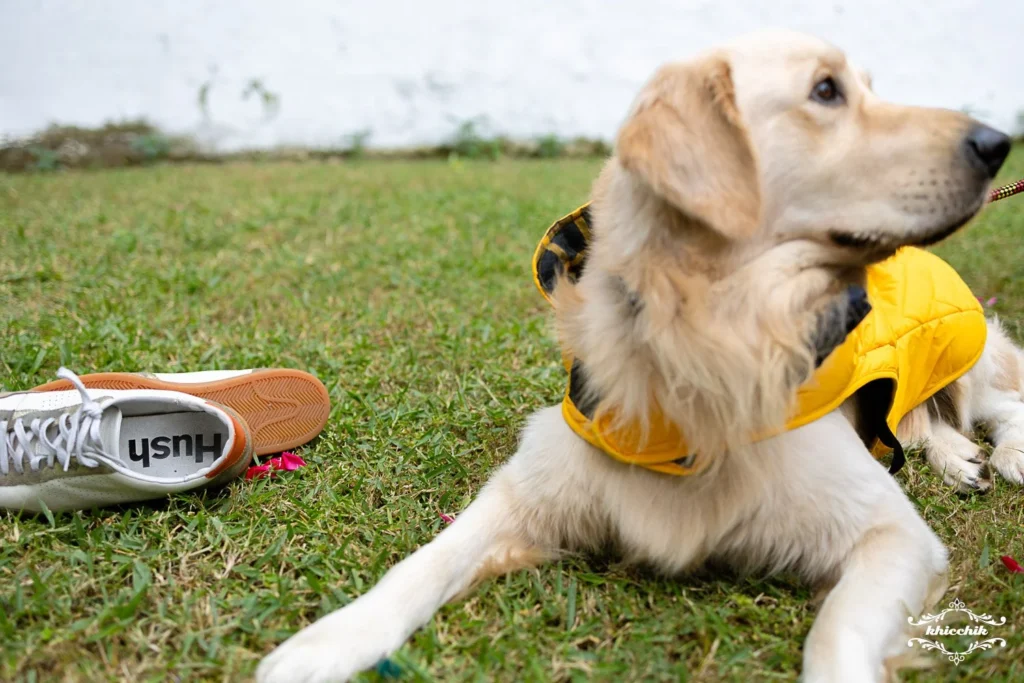
Our primary focus stays on the couple and the moments unfolding around them. We also assign a dedicated photographer for stage and reception group portraits. Covering every single guest isn’t always logistically possible, so we recommend designating a family member to help coordinate photos with key guests during the day.
Do you travel for destination weddings, and how are travel costs handled?
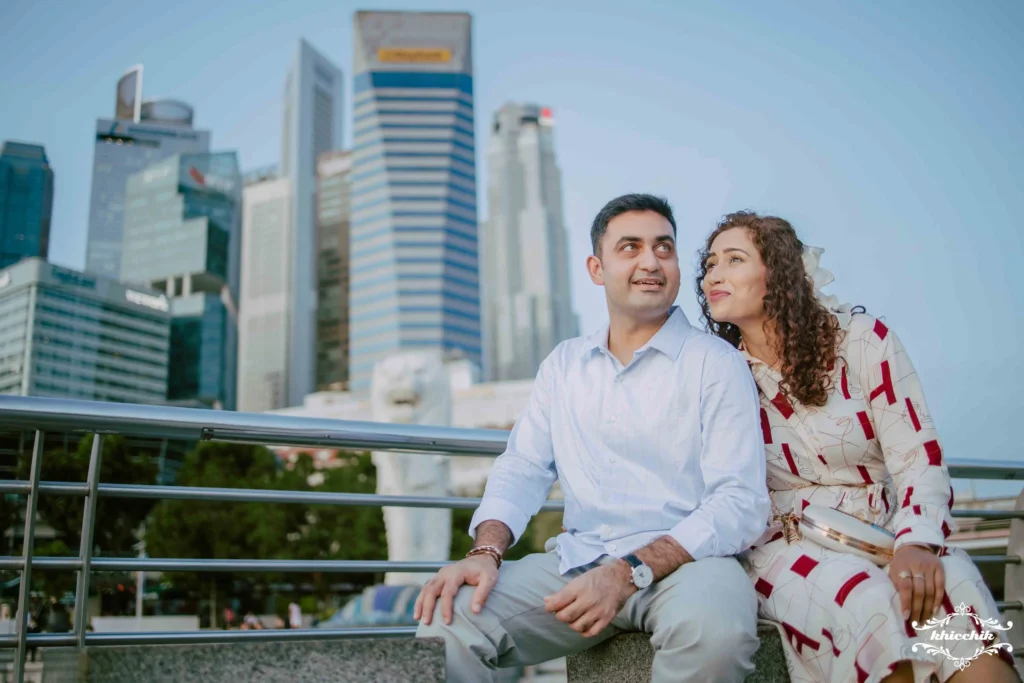
Yes, we cover destination weddings globally. Outstation travel expenses — flights, trains, local transfers — along with stay and lodging, are paid directly by the client or billed at actuals.
How much do wedding photography and videography cost?
Packages for combined photo and video coverage start at ₹1,50,000 per day. Final pricing is customized based on your event schedule, venue locations, coverage hours, guest count, and requested deliverables.
What are your payment terms?
50% booking fee — secures your dates upon confirmation
40% post-event payment — due immediately after the shoot, before post-production begins
10% final balance — due prior to final delivery
Can you offer a discount if we’re out of budget?
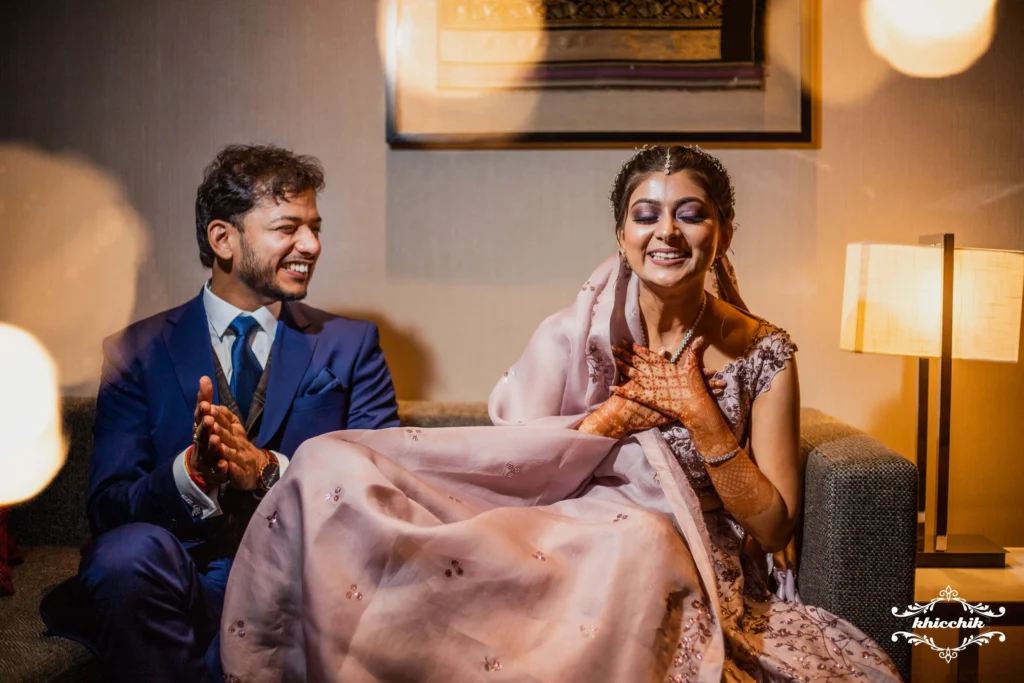
Our pricing reflects a limited number of weddings we take on each season, not a starting point for negotiation. That said, if you love our portfolio and share our vision, we’re open to adjusting coverage hours or deliverable scope to fit your budget. We don’t discount the work itself — but we’ll work with you to find a version of it that fits.
Wedding Photography FAQ: Pricing & Logistics
What happens if our event runs over the agreed time?
We commit strictly to agreed event hours so we can maintain quality and meet schedules at other locations we’re booked for that day. If an event runs over and we’re needed elsewhere, we’ll try to arrange a different team at your request — though this may involve extra charges, subject to availability. Sharing realistic event timings with us in advance helps avoid this altogether.
How long does it take to receive our photos and videos?
Full delivery takes 8 to 12 weeks. We share an early preview of selected images shortly after the wedding, and we collaborate with you on music selection for your feature video.
Do you provide RAW (unedited) files?
We don’t deliver RAW files. Unedited files are incomplete work — our post-production process, including professional color grading, culling, and audio balancing, is essential to our signature look. You receive fully edited, high-resolution final files, ready for print and web.
Wedding Photography FAQ: Deliverables & Assets
Do you offer printed wedding albums?
Yes. We offer custom-designed, fine-art coffee table albums. You choose your favorite images from the delivered gallery, and we curate the layout for your approval before printing.
How will our final photos and videos be delivered?
Photos are delivered via a private, password-protected online gallery you can easily share with family and friends. Videos are provided through high-speed digital download links or on a USB drive.
Deliverables & Assets: Trust & Risk Management
What’s your backup plan if equipment fails or a crew member falls sick?
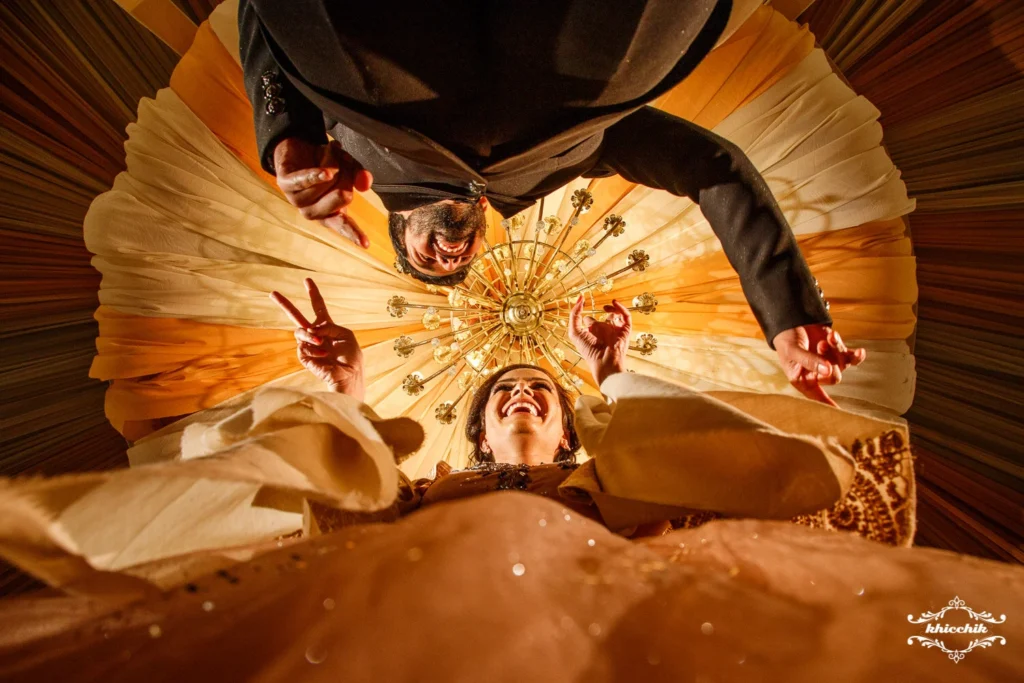
Every photographer shoots on dual-slot cameras that save images to two memory cards simultaneously, protecting against card corruption or failure. We also bring backup camera bodies, lenses, and lighting to every event, and maintain an on-call network of experienced standby photographers and cinematographers.
Deliverables & Assets: Before the Wedding
Do you offer pre-wedding or engagement sessions?
Yes. We offer candid, lifestyle pre-wedding sessions — relaxed shoots that are also a great way for us to get comfortable working together before the main wedding events begin.
How far in advance should we book your team?
We recommend locking in your dates 6 to 9 months ahead, especially for peak wedding season (October to February). We take on a limited number of weddings each year to protect the quality of the work — so earlier is always safer than later.